

Knowledge & Insights.
Long-form explainers and insights on carbon credit projects, CORSIA, Gold Standard, ICVCM, and the breadth of SaniTap's work in Madagascar. Written for procurement teams, ESG buyers, project finance professionals, and anyone wanting the detail behind the headlines.
Type at least two characters. Results match text from the article body, title and summary.
Or navigate by topic below, or scroll to browse every article grouped by category. Categories marked coming soon are on the writing schedule — tell us what you'd like covered next.
- Impact Measurement
- Safe Drinking Water
- Clean Cooking
- Carbon Development
- CORSIA
- Climate Mitigation
- Ecosystem-based Adaptation
- Climate Adaptation
-
Loss & Damage
- Cyclone-exposure scoring — how SaniTap ranks 3,383 coastal fokontany
- Post-cyclone rehabilitation vs pre-cyclone hardening — the sequencing question
- Madagascar's cyclones — the record, the outlook to 2100, and what it means on the ground
- When lightning strikes twice — predicting cyclones in Madagascar
- Madagascar Story
Impact Measurement
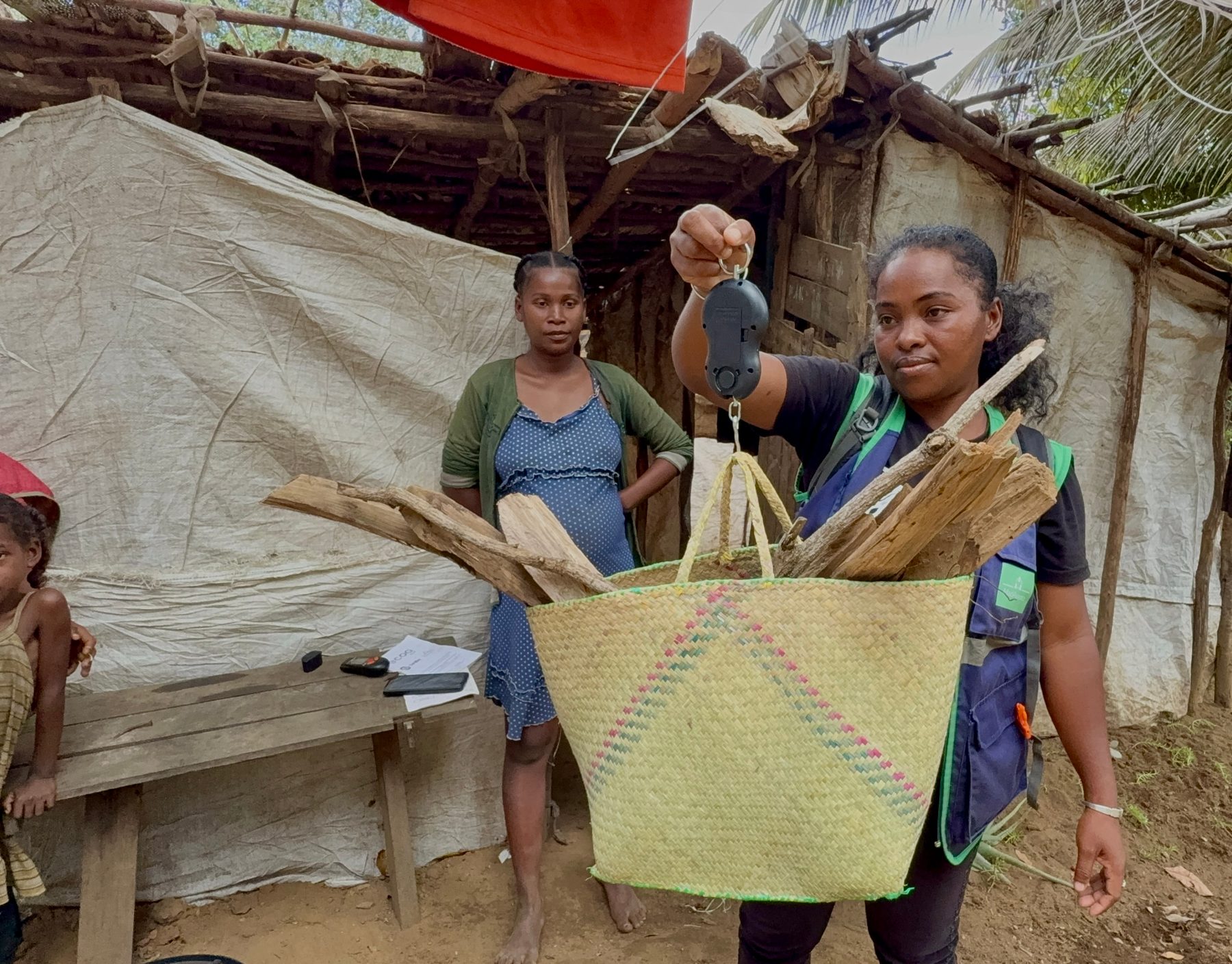
Impact as outcome — theory of change and the discipline of behavioural monitoring
Impact is not a number on a slide. It is a household cooking cleaner three years on, a village drawing safe water twelve months on, a woman spending an hour a day differently.
· 12 MIN READ Operations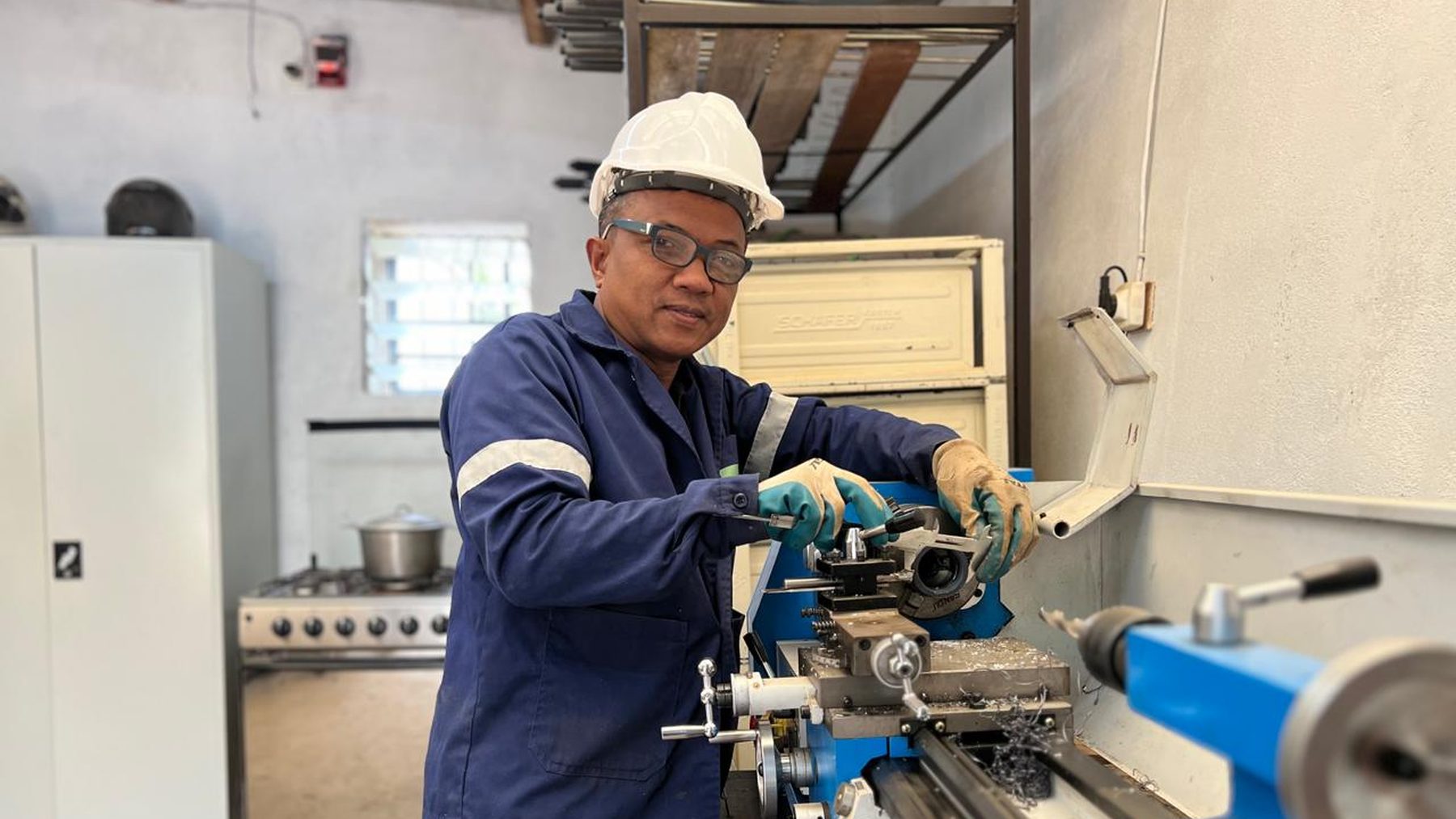
Operational standards, health and safety, and how MERV keeps our impact real
Delivering carbon and adaptation projects at SaniTap's scale requires the operational discipline of heavy industry: inherited safety standards, a Take 5 briefing culture, and a MERV framework.
· 12 MIN READSafe Drinking Water
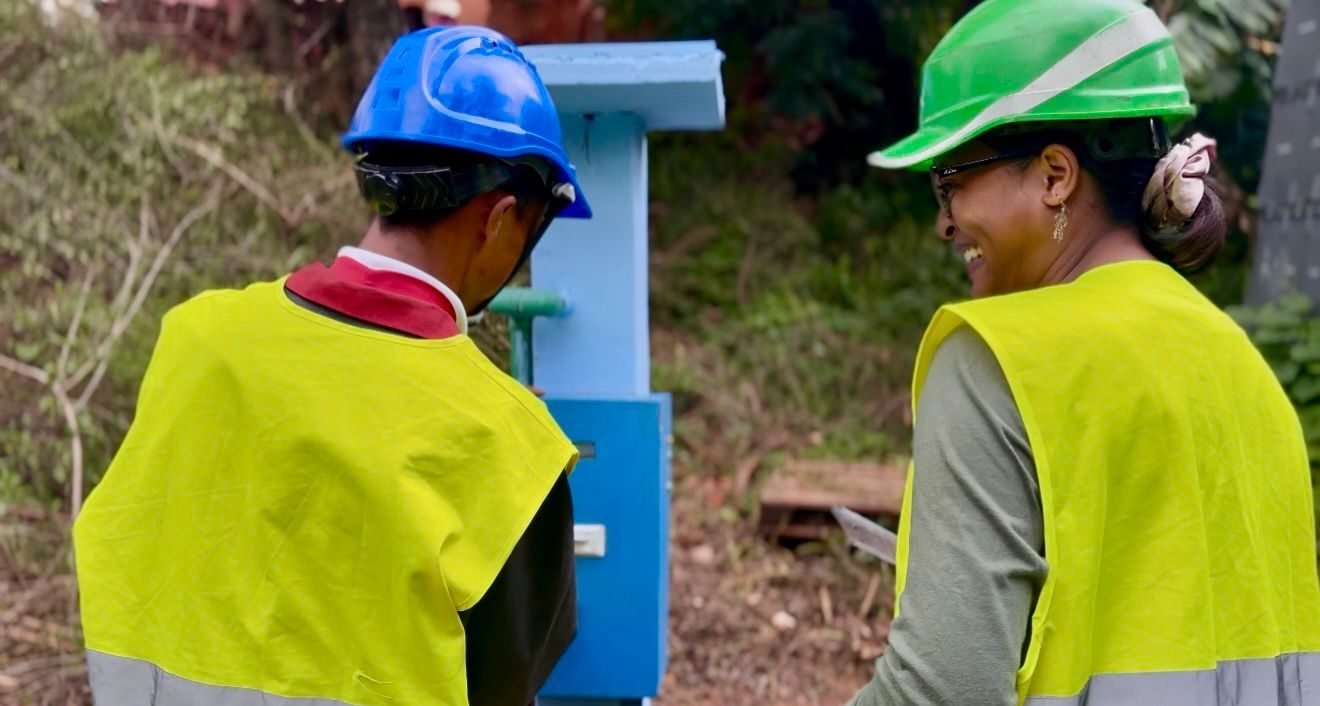
Piped water at scale — how Endur'O turns a fragile utility into a durable one
Most piped water systems in rural Madagascar break shortly after they are built and are never repaired. Endur'O's joint-venture model combines four revenue and cost levers to make them durable.
· 9 MIN READ Methodology
Suppressed demand — the baseline concept that makes safe-water carbon credits work
Suppressed demand is the accounting principle that lets a safe-water or clean-cooking credit be measured against the consumption a household should have, not the pinched consumption poverty forces.
· 14 MIN READ Explainer
How safe water displaces carbon emissions — the boil-water story
Safe-water carbon credits are less intuitive than clean-cookstove credits, yet the accounting logic is rigorous. A walkthrough of the counterfactual mechanics behind Gold Standard's ERSDWS v1.0.
· 12 MIN READClean Cooking
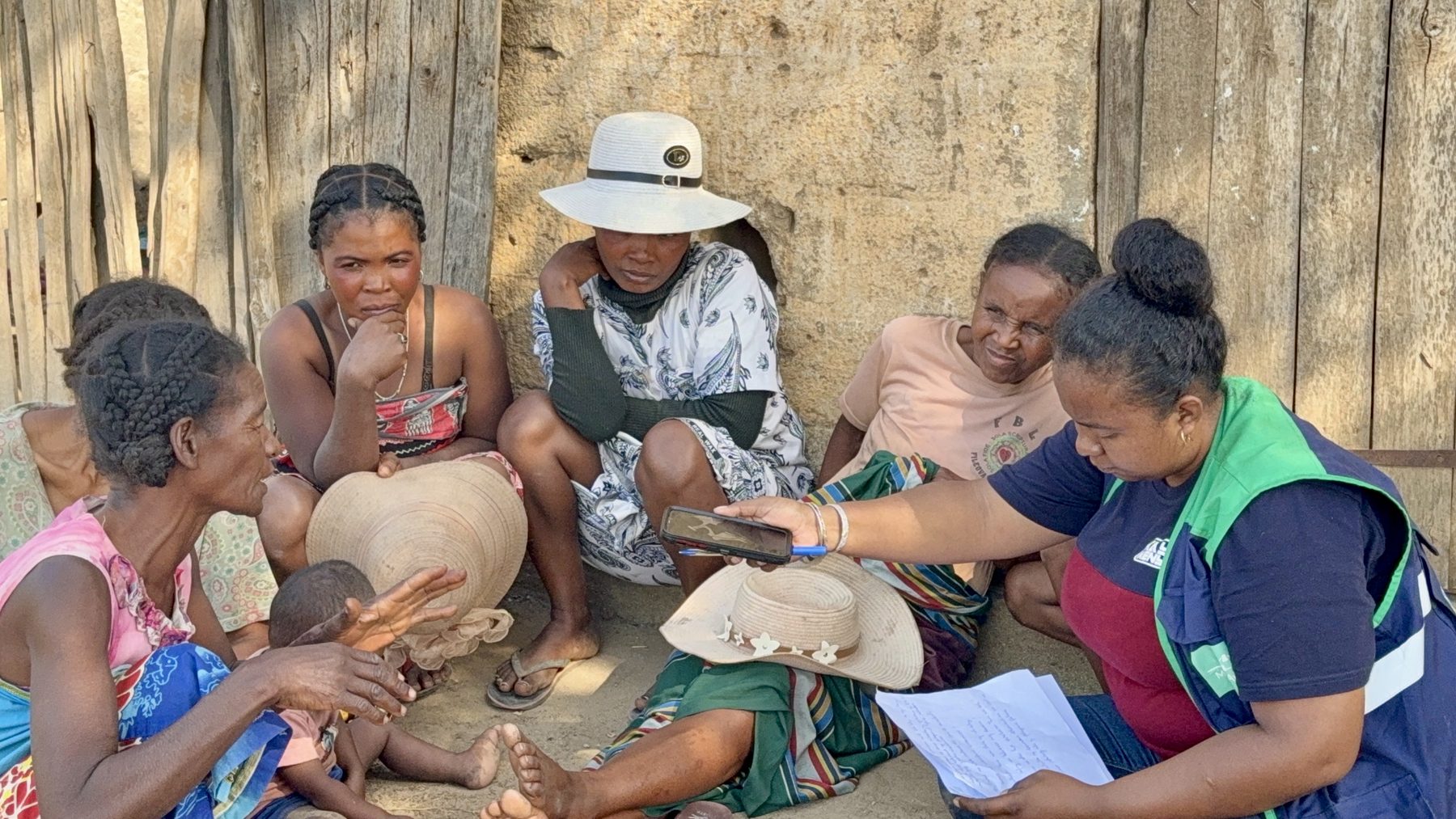
Gender-responsive, not gender-sensitive — what the difference is, and why SaniTap chose the harder standard
Gender-sensitive projects notice gender; gender-responsive projects act on it. The gap between the two is definable, and the higher standard changes what a project actually delivers.
· 11 MIN READ Health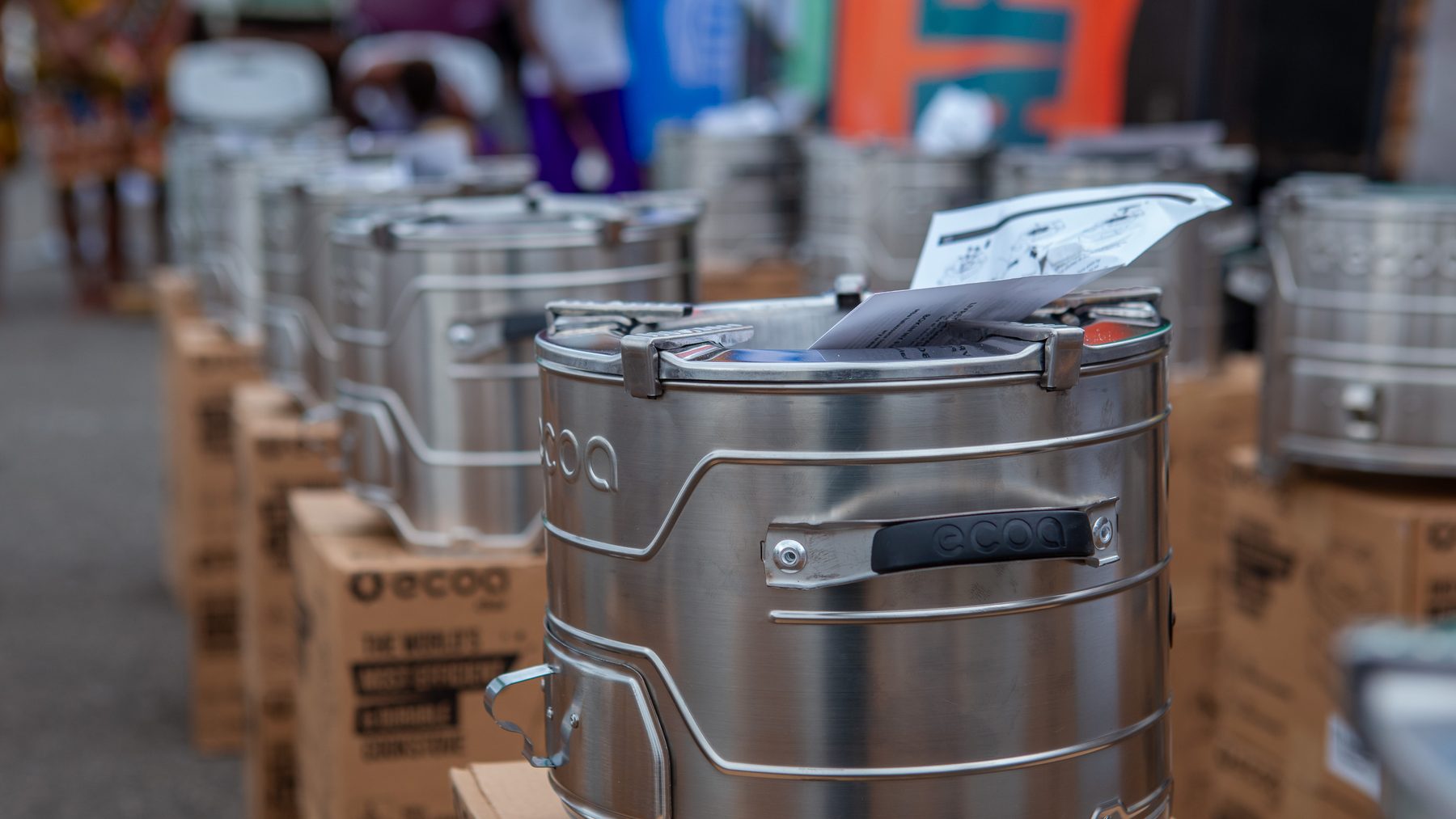
Indoor air pollution — the health toll of biomass cooking, and how SaniTap measures the reduction
Household air pollution from cooking on open fires and inefficient stoves kills 3.2 million people a year, including a quarter of a million children under five, mostly from pneumonia.
· 13 MIN READ Methodology
TPDDTEC v4.0 — how clean cookstove credits are calculated
Gold Standard's TPDDTEC methodology is the foundational instrument for high-integrity clean-cookstove carbon credits. A technical walk-through of the version 4.0 framework and verification cycle.
· 15 MIN READCarbon Development

ICVCM Core Carbon Principles in plain language
The Integrity Council's ten Core Carbon Principles are the emerging integrity benchmark for voluntary credits. A substantive walkthrough of each principle and how the CCP mark is assessed.
· 14 MIN READ Explainer
What gender-responsive carbon credits actually mean
Gender-responsive is a Gold Standard certification tier that goes materially beyond gender-sensitive consultation, and it changes what the credit itself represents on the ground.
· 11 MIN READCORSIA
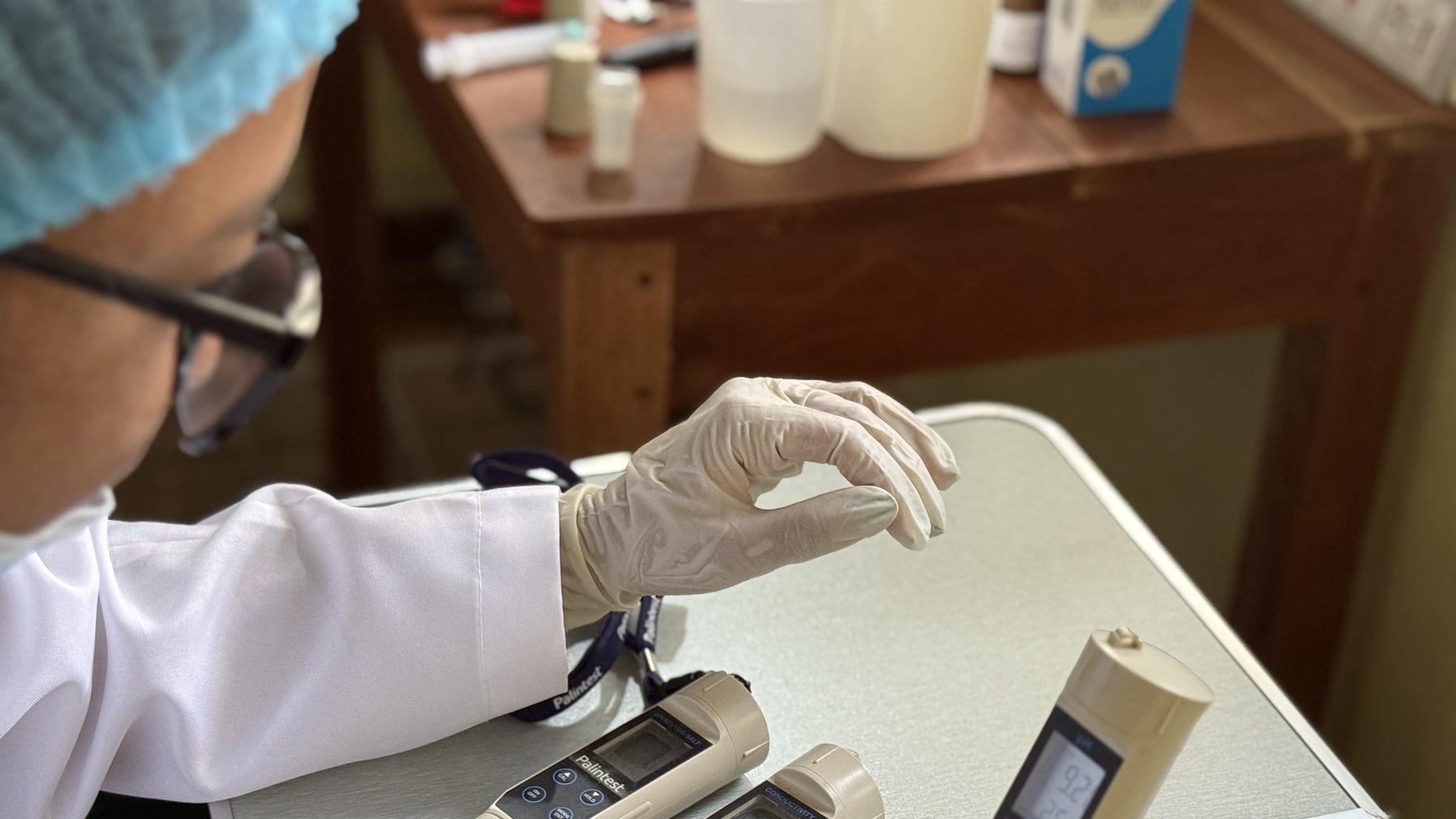
Which airlines will buy CORSIA credits, and how much? A market assessment
Which international airlines are obligated under CORSIA, how each calculates its offsetting requirement, and where the eligible-supply gap sits through 2035. Volumes, costs, and the political frontier.
· 22 MIN READ Explainer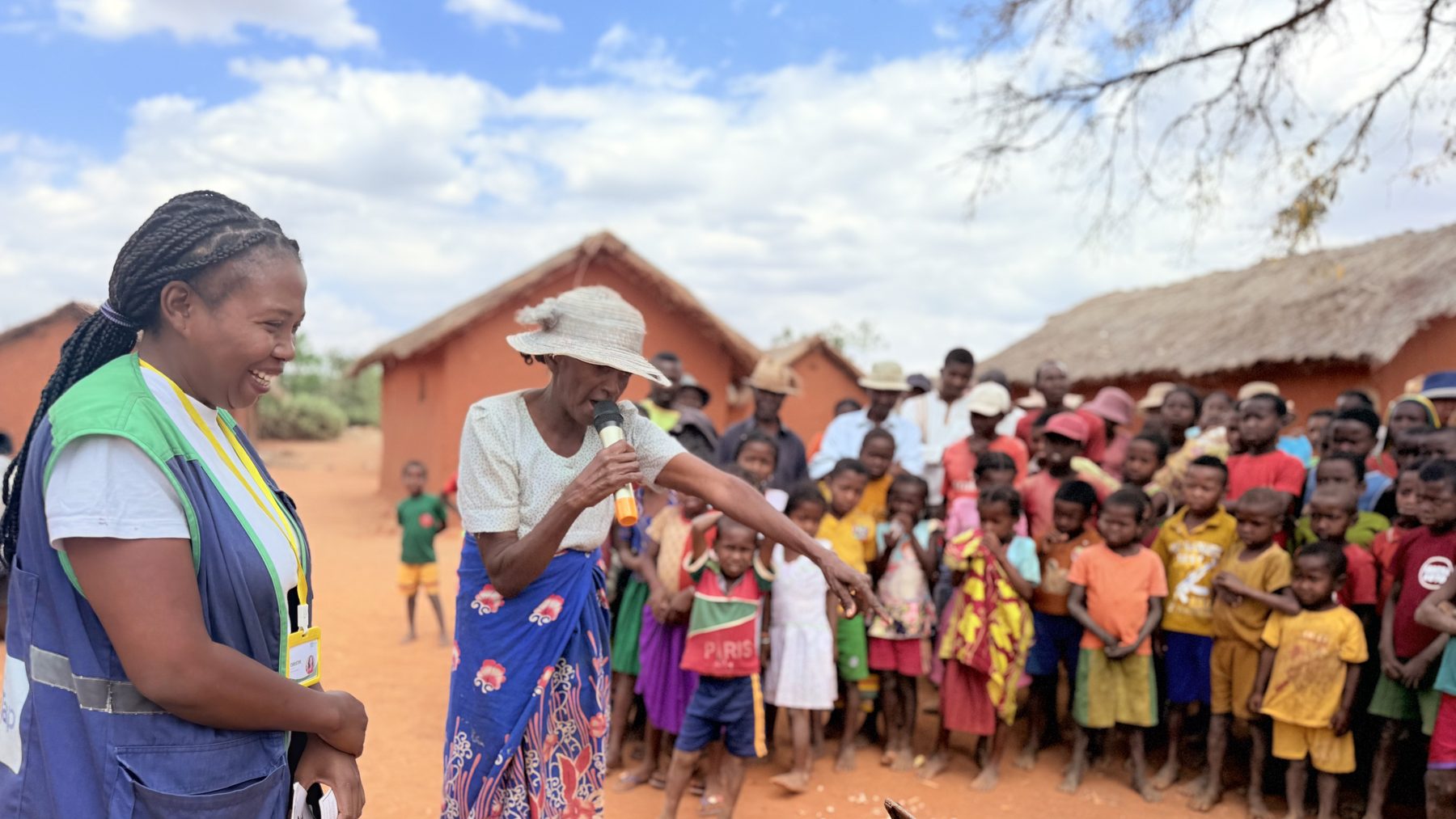
CORSIA explained for procurement and ESG teams
A working briefing on the Carbon Offsetting and Reduction Scheme for International Aviation: regulatory anatomy, phasing, offset arithmetic, and the five questions procurement teams must ask.
· 12 MIN READ Explainer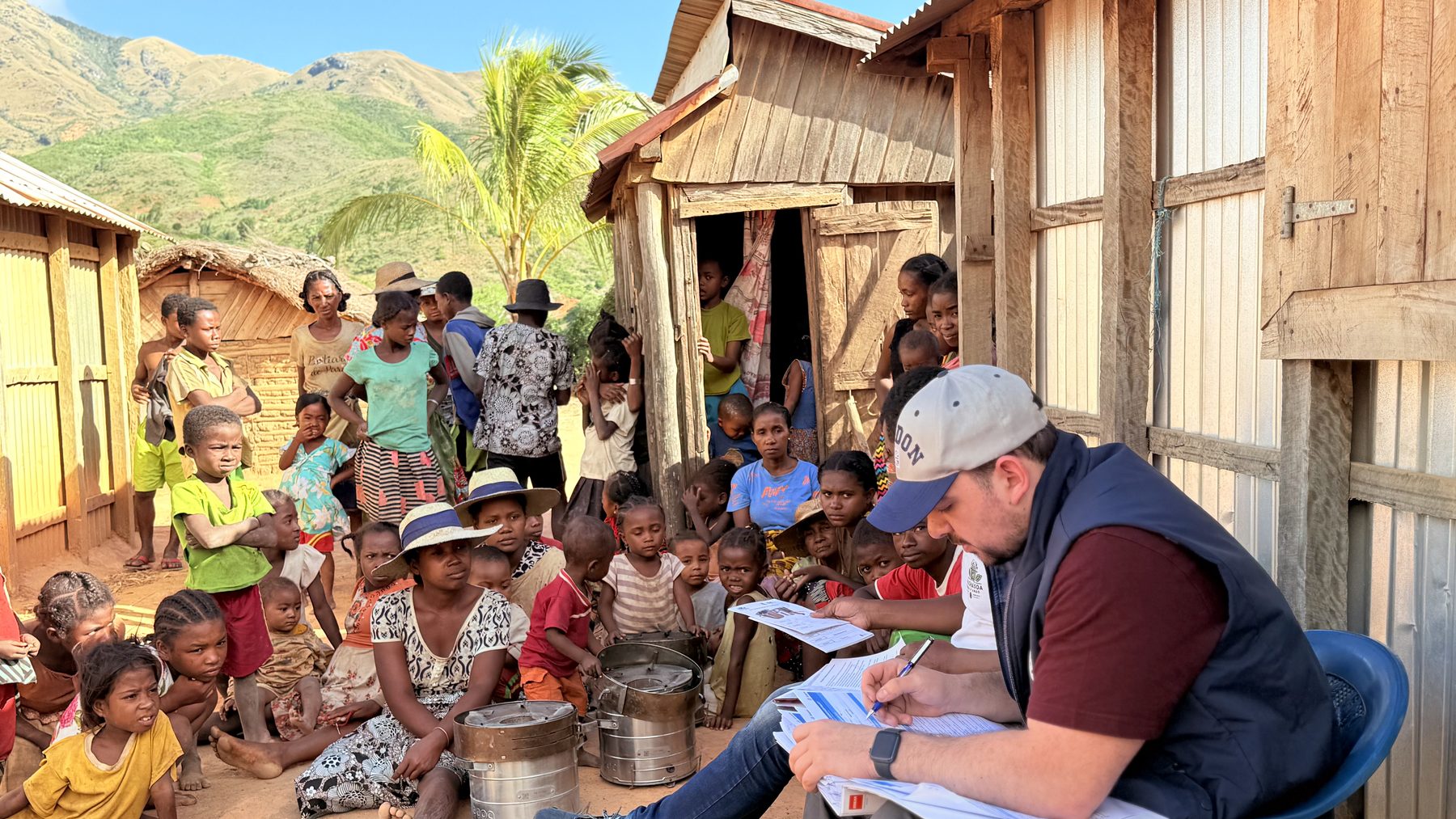
The path to CORSIA eligibility — what Gold Standard projects must add
Programme-level approval is necessary but not sufficient. The delta between Gold Standard certification and CORSIA eligibility: Article 6 authorisation, vintages, and phase-specific criteria.
· 11 MIN READClimate Mitigation
Ecosystem-based Adaptation
Climate Adaptation
Loss & Damage
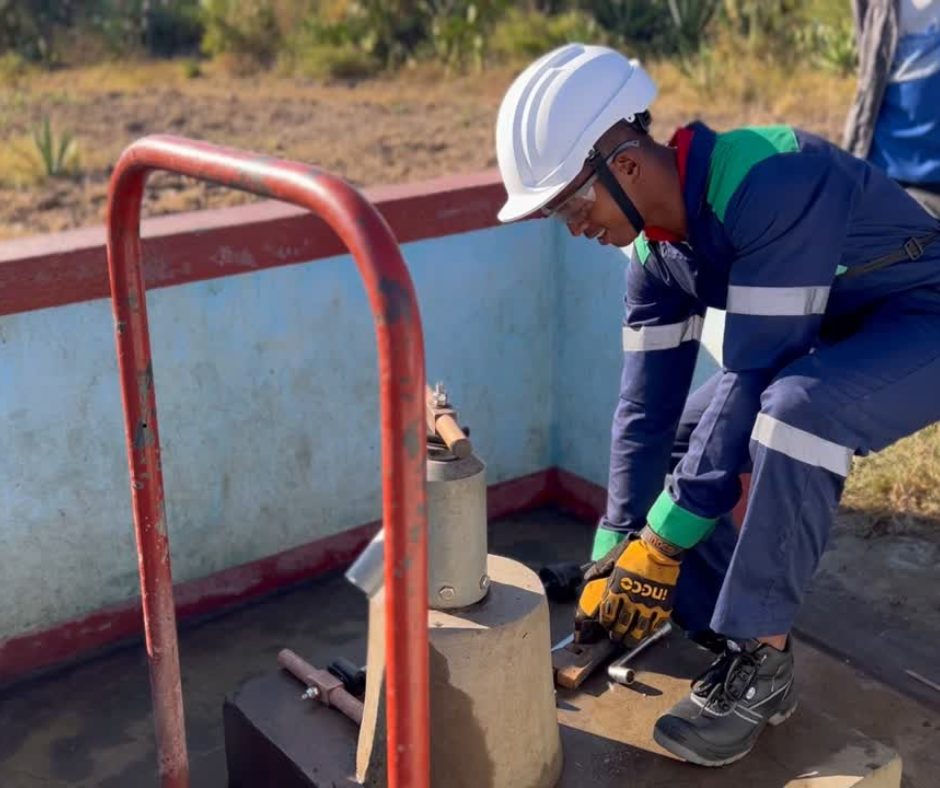
Cyclone-exposure scoring — how SaniTap ranks 3,383 coastal fokontany
Every coastal community faces the same question before a cyclone-hardened water programme can prioritise anything: how often will a damaging storm strike here, and how many people will it hit?
· 14 MIN READ Strategy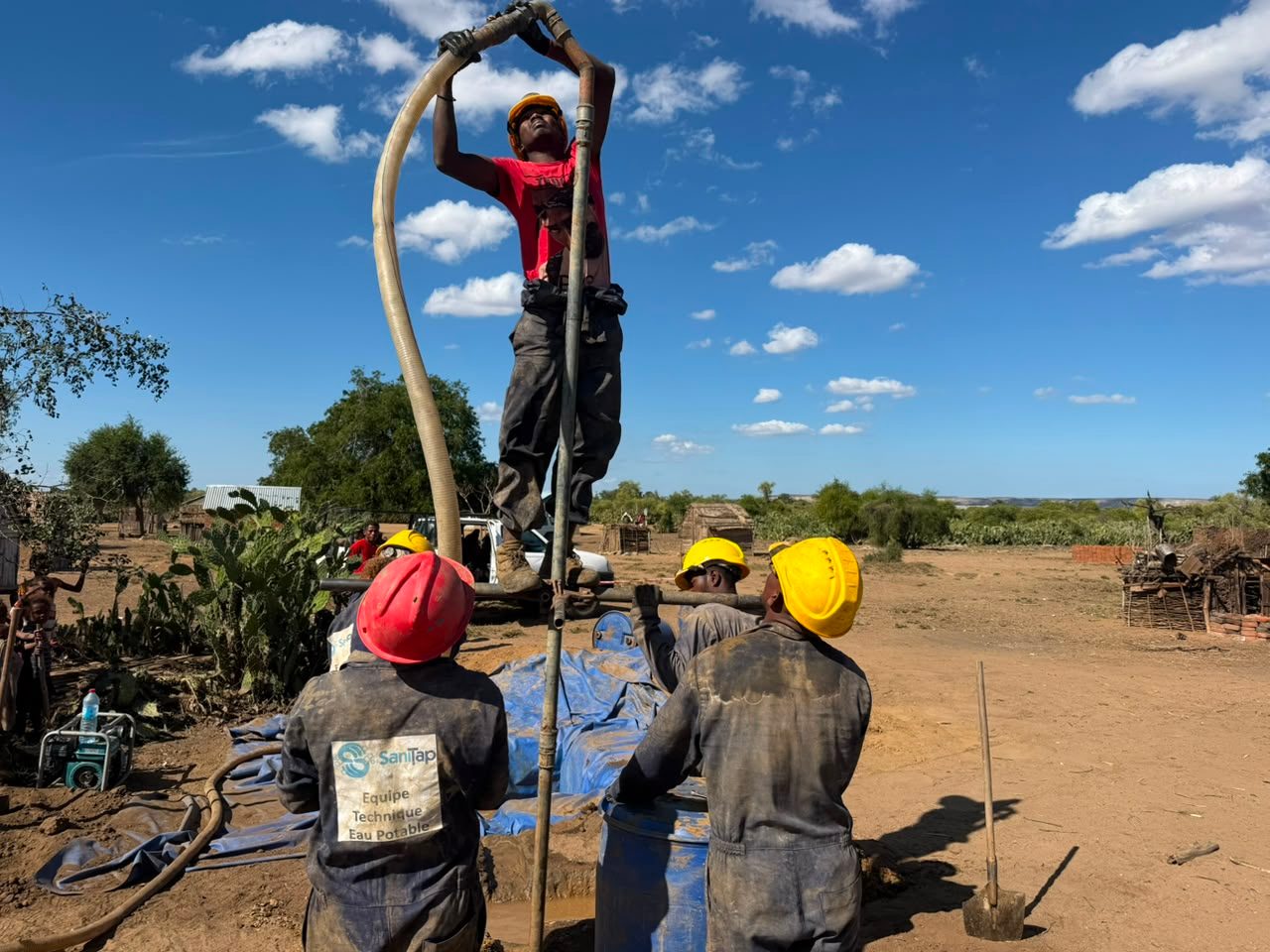
Post-cyclone rehabilitation vs pre-cyclone hardening — the sequencing question
Every cyclone-response programme faces the same fork: rebuild what the storm destroyed, or invest in infrastructure designed to survive the next one. Different money, different funders.
· 11 MIN READ Climate science
Madagascar's cyclones — the record, the outlook to 2100, and what it means on the ground
The destructive capability bearing on Madagascar's people has risen about 4.6× since the 1980s and is on course for roughly 8× by the 2050s. Not more cyclones. Stronger ones, on more populated coasts.
· 12 MIN READ Climate science
When lightning strikes twice — predicting cyclones in Madagascar
How cyclones over Madagascar are predicted, why they are getting stronger, and what that means for building drinking-water systems that survive the storm. Three horizons, three questions.
· 14 MIN READMadagascar Story
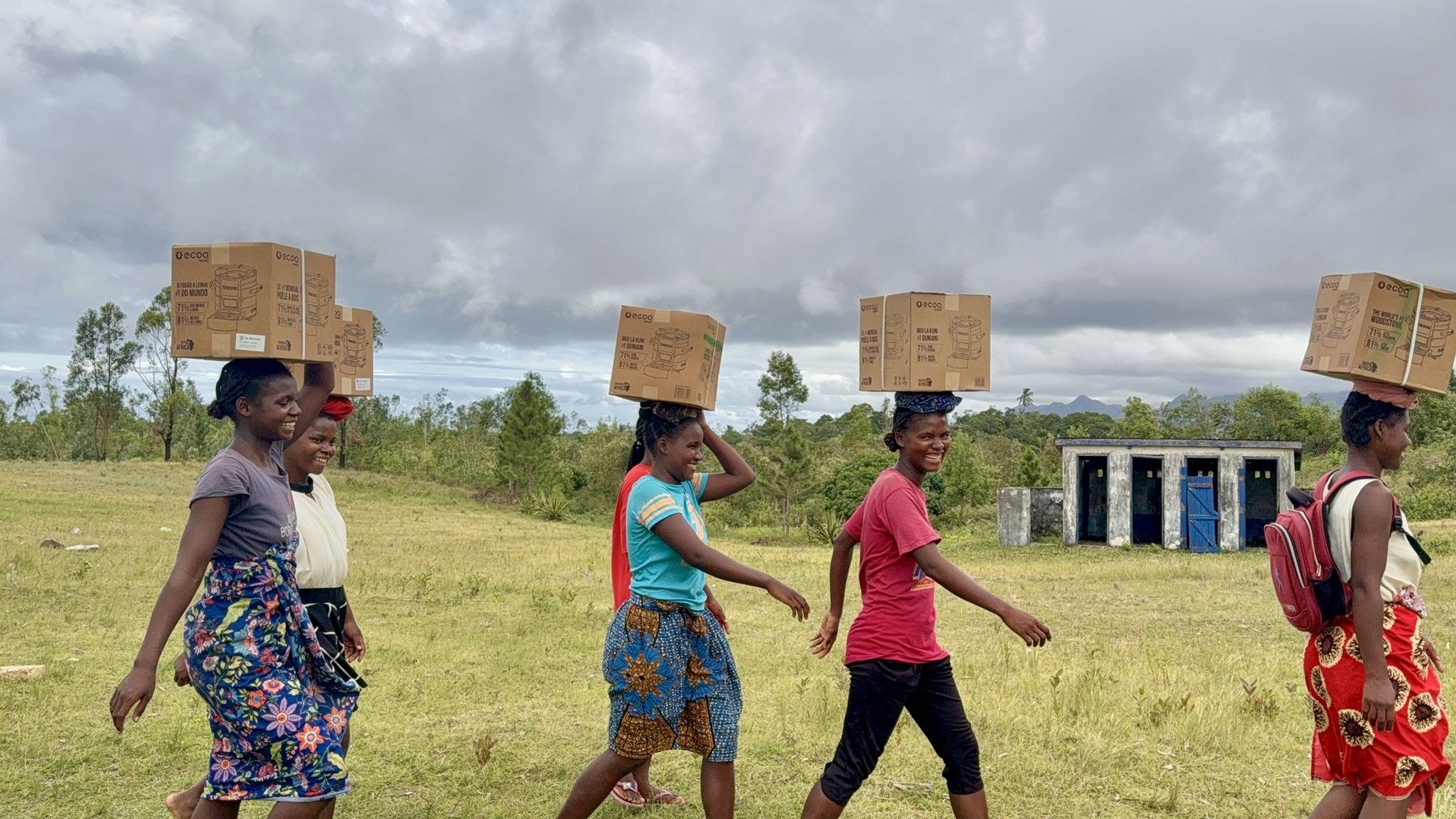
Why Madagascar — the case for action
Madagascar sits at the intersection of extreme climate vulnerability, extreme water insecurity, and an unusual carbon-integrity opportunity. Epidemiology, hydrology, deforestation, funding gap.
· 13 MIN READ Story
The SaniTap–MadAvance model — company speed, NGO trust
The SaniTap and MadAvance structure is deliberately different from the standard patterns in impact-and-development work. What the model is, what it delivered, and why the pairing works structurally.
· 11 MIN READ